

Patient Case Study: Surgical Acne Scar Repair From Consultation to Results
If you’re reading this, there’s a good chance you’ve already tried “everything” for your acne scars.
Lasers. Microneedling. PRP. Chemical peels. Expensive skincare.
And yet every time the light hits your face a certain way, those rolling or boxcar scars still show up.
This case study walks you through a real-style example of how surgical acne scar repair can help when years of surface-level treatments haven’t made enough difference. While every patient is unique, this will give you a clear idea of what happens from consultation to results with Dr. Richard Sadove at The Acne Scar Center in Gainesville, Florida.
Note: Details are adjusted to protect patient privacy, but the process and outcomes are representative of what we see in practice.
Why His Previous Acne Scar Treatments Didn’t Work
Our patient “John,” a 29-year-old man, came to us after:
-
Two courses of aggressive laser treatments
-
Multiple microneedling and PRP sessions
-
Several chemical peels
-
A drawer full of “acne scar creams”
He still had:
-
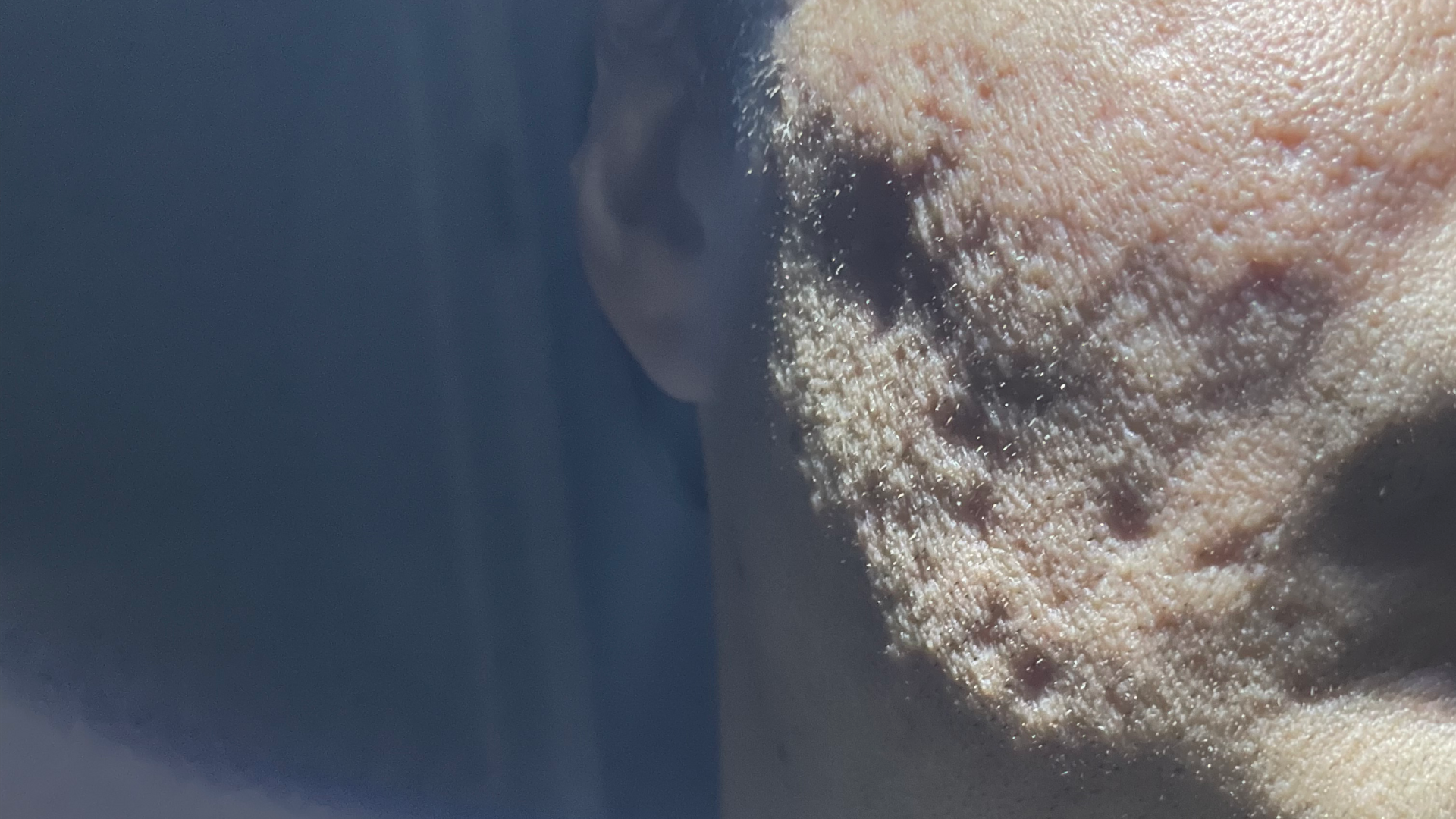
Rolling acne scars along both cheeks
-
A few boxcar scars near the temples
-
Several ice pick scars in the lateral cheeks
-
Uneven texture that looked worse in overhead or side lighting
The key problem: all of his treatments were working on the surface of the skin, but his scars were caused by structural damage underneath the skin.
Deep acne scars are usually the result of:
-
Tethered bands of scar tissue pulling the skin downward
-
Loss of normal fat and tissue volume in the area of the scar
-
Sometimes, a very narrow, deep column of scar (as in ice pick scars) that simply can’t be “polished away”
This is why many patients see a temporary improvement after a laser or peel (smoother top layer) but the indentations return as swelling goes down.
Step 1: Virtual Consultation – Understanding the Scars
John lived out of state, so he started with a virtual consultation. He submitted standardized photos through our secure system and gave a detailed history of all prior acne scar treatments.
During his video visit, Dr. Sadove:
-
Reviewed her photos and zoomed in on each scar pattern
-
Explained the difference between rolling, boxcar, and ice pick scars
-
Showed why his rolling scars were likely tethered by deep bands of scar tissue
-
Pointed out where fat and tissue loss was making the scars look deeper
He also explained why surgical acne scar repair – especially subcision with fat transfer and scar excision – is often more effective for these types of scars than another round of lasers.
👉 If you’d like to learn more about our surgical approach overall, you can read our main page on TheAcneScarCenter.com.
By the end of the consult, John understood:
“My acne scar problem isn’t on the surface. It’s underneath. That’s why my other treatments never really worked.”
Step 2: In-Office Evaluation & Treatment Plan
When John arrived in Gainesville for his in-person visit, we performed a detailed exam:
-
Different lighting angles were used to see how the scars behaved in natural and overhead light.
-
Each scar pattern was mapped and marked.
-
His skin type, thickness, and healing patterns were evaluated.
Based on this, Dr. Sadove created a custom surgical acne scar repair plan, which included:
-
Subcision to release tethered rolling scars
-
Fat transfer (fat grafting) to restore volume under the scars
-
Punch excision or surgical excision for the deepest ice pick/boxcar scars
-
Possible minor filler placement later for very subtle touch-ups
This approach is different from “one-size-fits-all” laser packages. Each scar type gets the treatment it actually needs.
Step 3: The Day of Surgical Acne Scar Repair
On the day of surgery, John arrived at our accredited office-based surgical facility.
1. Anesthesia & Comfort
-
He was kept comfortable with appropriate anesthesia and numbing.
-
Dr. Sadove performs all procedures himself—no PA or extender injectors.
2. Subcision for Rolling Acne Scars
Using a specialized instrument, Dr. Sadove gently passed underneath the skin to:
-
Break up the scar bands tethering the skin down
-
Allow the skin to lift away from the underlying tissue
This subcision step is crucial for rolling scars. You can think of it as cutting the “strings” that are pulling the skin inward.
3. Fat Transfer (Fat Grafting)
Next, a small amount of John’s own fat was harvested from a donor area, carefully processed, and then precisely injected under areas of volume loss.
Fat transfer:
-
Helps restore the natural contour of the cheeks
-
Supports the released skin after subcision
-
Can improve overall skin quality over time
This combination – subcision plus fat transfer – is one of the most powerful surgical acne scar repair techniques we use at The Acne Scar Center.
4. Excision of Deep Ice Pick and Boxcar Scars
The deepest, most narrow scars were not good candidates for filling or resurfacing alone.
For those, Dr. Sadove performed punch excision or surgical excision, removing the tight column of scar tissue and carefully closing the area to encourage a smoother, flatter result.
Step 4: Early Healing – What the First Weeks Look Like
Many patients are surprised by how they look in the first few days and weeks after surgical acne scar repair. John was prepared ahead of time for:
-
Swelling and fullness from fat grafting
-
Bruising in the treated areas

-
Temporary unevenness as tissues settled
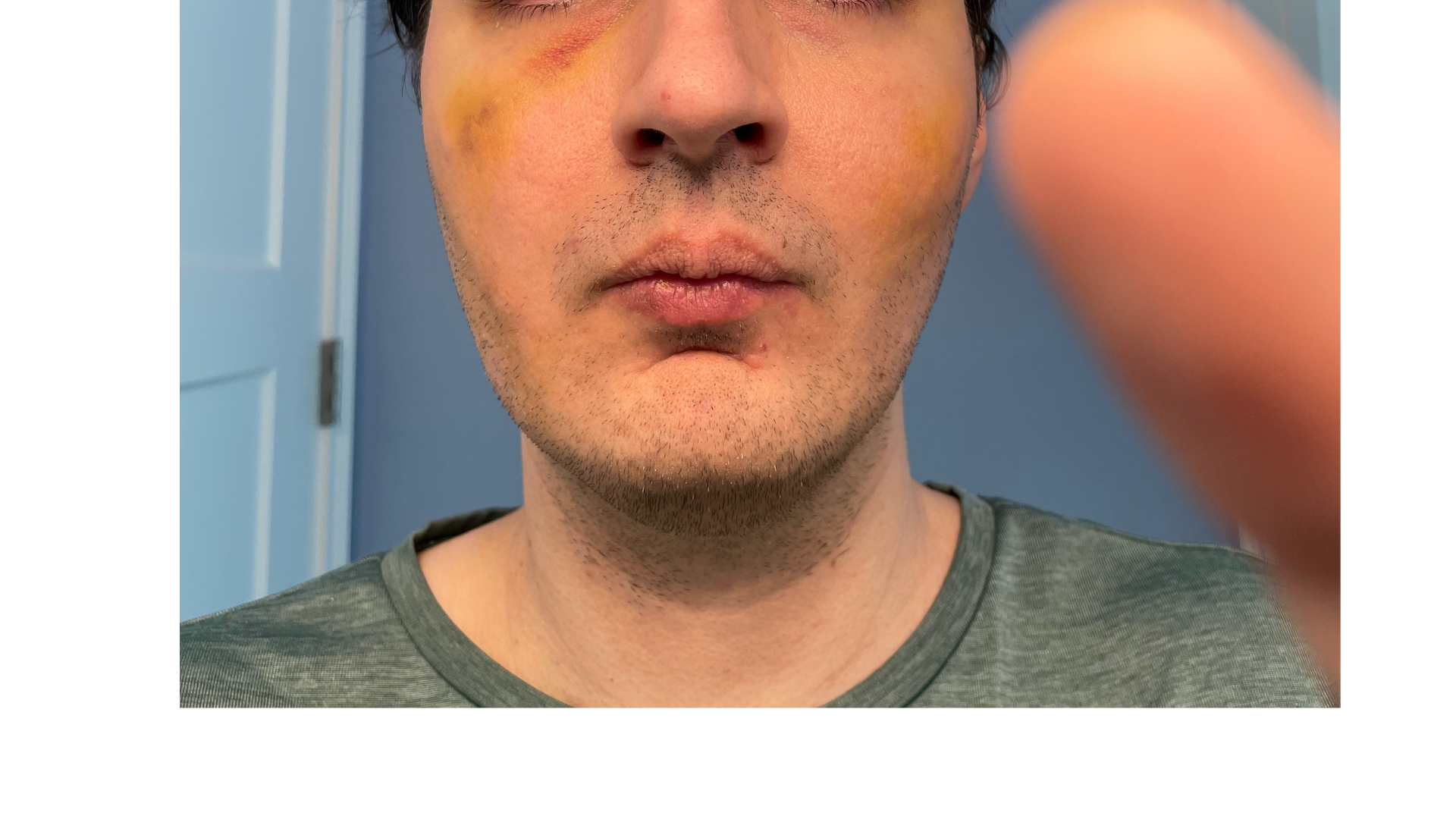
This is a normal part of the process.
Over the next several weeks:
-
Swelling began to go down
-
Bruising resolved
-
His skin started to look smoother, even though some redness and texture changes were still visible
Dr. Sadove monitored him carefully with follow-up visits and photos, especially since she returned home out of state.
Step 5: Seeing Real Results – Months, Not Days
Surgical acne scar repair is not an overnight transformation. The real magic happens over months, not days.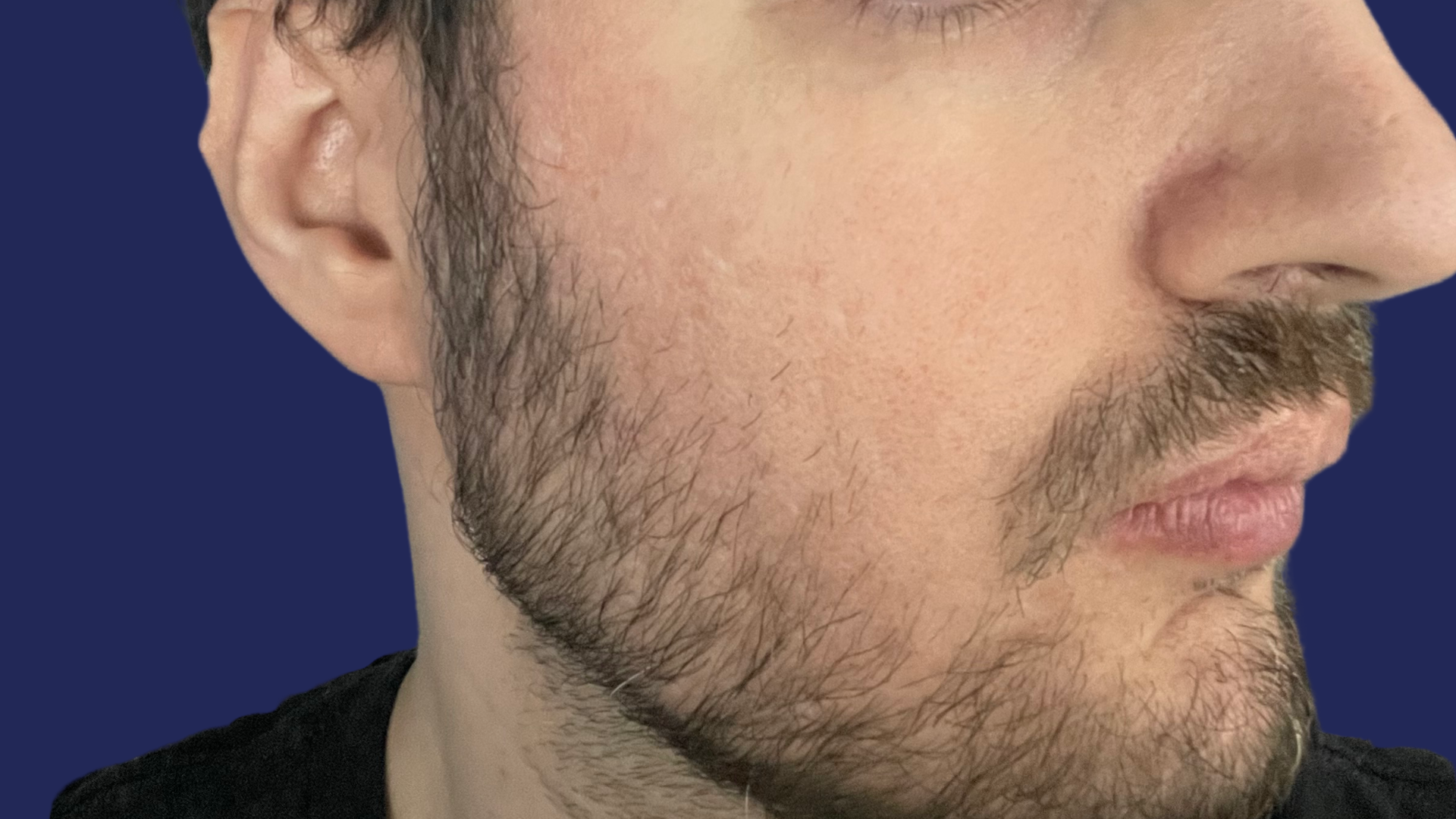
By around the 3–6 month mark:
-
His rolling scars were less visible in everyday lighting
-
The cheeks had a more even contour with less shadowing
-
The previously tethered areas no longer caught the light as deep indentations
-
The excised scars appeared as fine lines instead of deep pits
Most importantly, John’s confidence changed. He reported:
-
Feeling less anxious in certain lighting situations
-
Not stressing as much about being on camera or in photos
- No longer wasting money on treatments that don’t work
For many patients, this emotional shift is just as important as the physical result.
👉 Patients often like to see examples of real outcomes. You can browse our before and after acne scar photos to get a sense of what surgical acne scar repair can achieve.
Why Surgical Acne Scar Repair Worked When Other Treatments Failed
John’s years of failed treatments weren’t because he “didn’t respond” or had “bad skin.”
They were simply the wrong tools for the actual problem.
His scars involved:
-
Deep tethered bands → treated with subcision
-
Volume loss under the scars → treated with fat transfer
-
Narrow, deep scars that couldn’t be resurfaced away → treated with excision
Most lasers, peels, microneedling, and topical products:
-
Work mainly on the surface layers of skin
-
Can improve color, texture, and fine lines
-
But cannot cut scar bands or restore deeper volume the way surgical approaches can
For many patients with moderate to severe rolling, boxcar, and ice pick scars, surgical acne scar repair is often the missing piece after years of “doing everything.”
Is Surgical Acne Scar Repair Right for You?
You may be a good candidate if:
-
You have deep, indented scars (rolling, boxcar, or ice pick)
-
You’ve already tried lasers, microneedling, or peels with limited improvement
-
Your scars look worse in certain lighting, especially overhead
-
You’re ready for a more definitive, structural approach instead of another surface-level treatment
Because many of our acne scar patients travel from out of state, we offer virtual consultations so you can be evaluated before planning a trip.
👉 Learn more about our process and book a virtual acne scar consultation.
Next Step: Learn More & See It Explained
If you’d like to see how this works in more detail, including diagrams and explanations from Dr. Sadove:
Watch Dr. Sadove explain this topic in our video below.
(We will embed the YouTube video on this page.)
From there, you can decide if it’s time to finally move beyond surface treatments and explore whether surgical acne scar repair is the right next step for you.
To better understand this patient’s journey, watch Dr. Sadove walk through each step of surgical acne scar repair in the video below.
https://youtu.be/aMwgs4sQGOg